La Puente Roof Flashing is a free referral service. We connect callers with independent local roofing professionals. Flashing is the metalwork that seals every joint on your roof — around the chimney, down the valleys, at each vent pipe and skylight, and where the roof meets a wall. In La Puente those joints live a hard life: San Gabriel Valley summers bake sealant brittle and work metal seams open a fraction at a time, and then the rainy season arrives and finds every gap. Homeowners call when a stain blooms on a ceiling below the chimney, when rust streaks run from a valley, or when a leak appears only on windy, wet nights. Call, describe what you are seeing, and we connect you with a local professional who can trace the leak to its true entry point and repair the flashing there.
What is roof flashing repair, and why do leaks start at the joints?
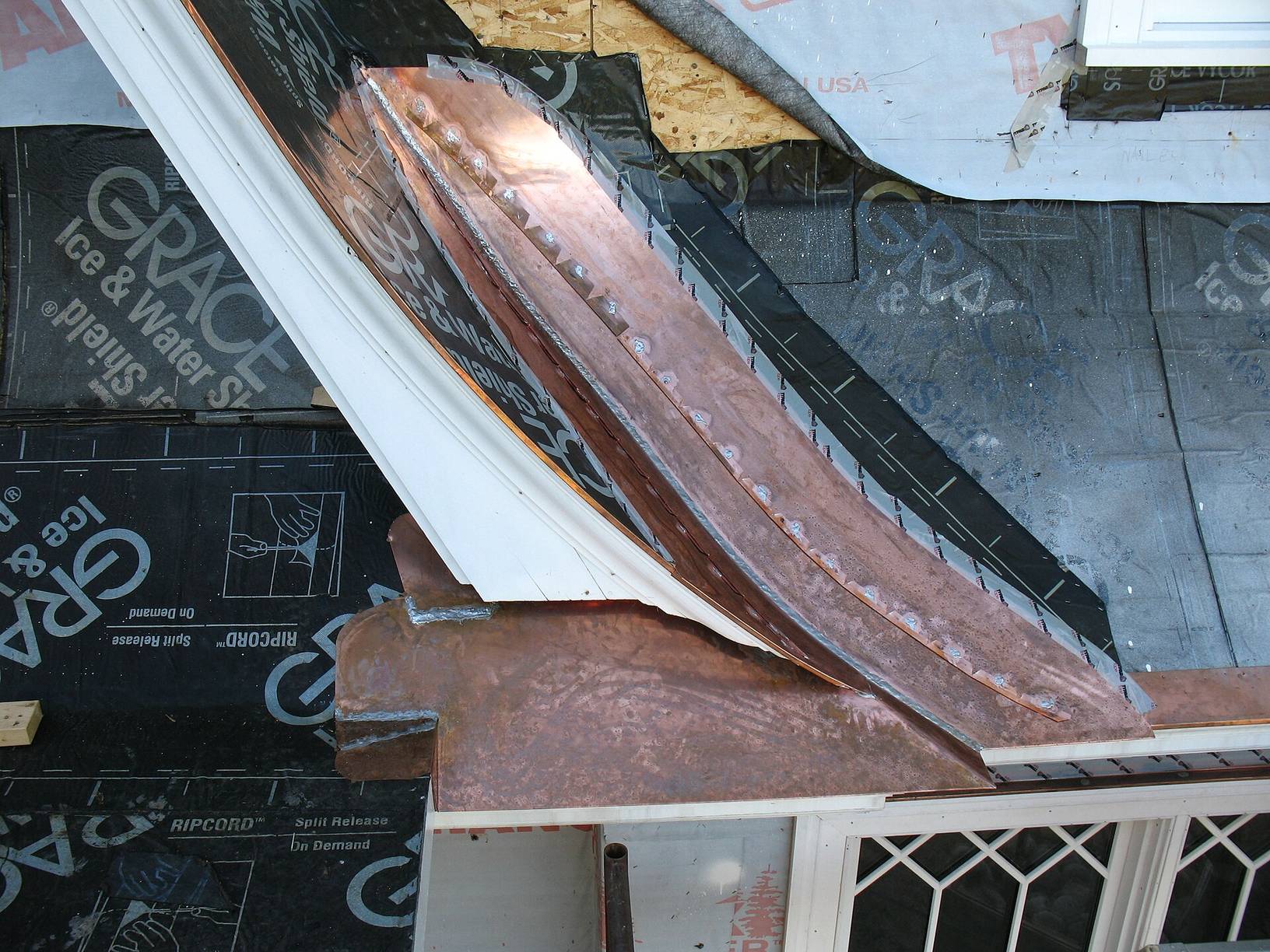
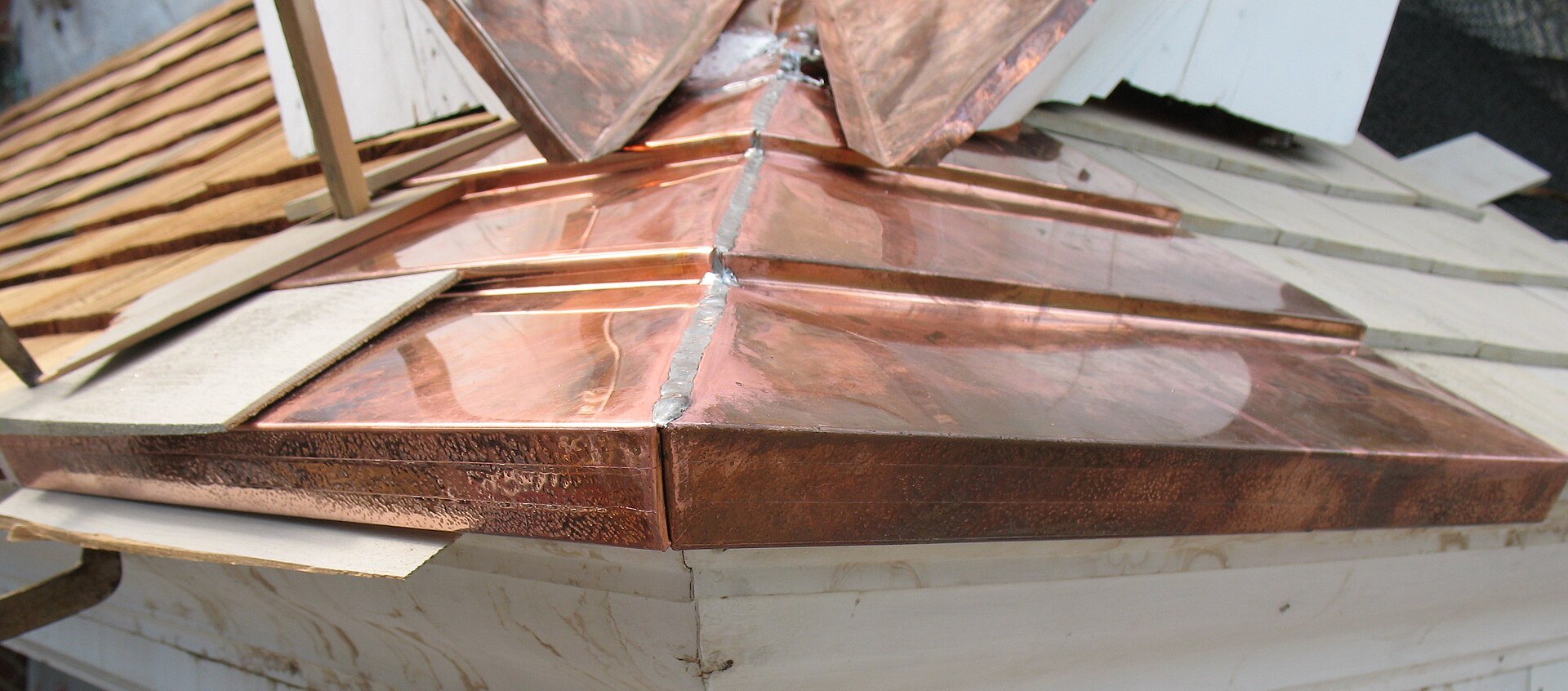
Flashing is the system of metal pieces — most often galvanized steel, aluminum, or copper — fitted wherever a roof is interrupted. Shingles and tiles are laid to shed water down a slope, but a slope ends at chimneys, walls, valleys, pipes, and skylights, and at each of those places something has to bridge the gap and keep water moving out and over the surface below. That bridging work is flashing, and roof flashing repair is the work of renewing it when it fails: taking out metal that has rusted, lifted, or lost its seal, and fitting new pieces layered correctly with the roof around them.
Most roof leaks in La Puente begin at a joint rather than in the open field of the roof. A chimney whose counter-flashing has pulled out of its mortar joint is the subject of chimney flashing repair, while a valley channel carrying the combined rain of two slopes belongs to valley flashing repair. Working out which joint is responsible for the stain on your ceiling takes about a minute of description on the first call.
When you call, expect questions about where the water shows up inside and when — in every rain, or only in wind-driven storms — not a sales script. From there, we connect you with an independent local roofing professional. Your provider looks at the flashing and the roof around it, explains what has failed in plain terms, and sets out the repair. Any decision about going ahead is made with that information in hand, directly with your provider. Nothing is repaired, ordered, or agreed to on the first call.
Services
Flashing services you can be connected with in La Puente
Every roof joint has its own way of failing, and its own repair. These are the services La Puente homeowners most often ask to be connected with — from the core flashing repair to the leak tracing that finds which joint is responsible.
Roof Flashing Repair
The core service: failed flashing at any roof joint removed and renewed — metal shaped for the detail, layered with the roof surface so water runs out and over, and sealed as a finished piece of metalwork rather than a patch. A full roof flashing repair is the right conversation when a joint has rusted through, lifted in the heat, or been sealed over one too many times by past spot fixes. The visit covers the whole joint, not just the spot above the stain.
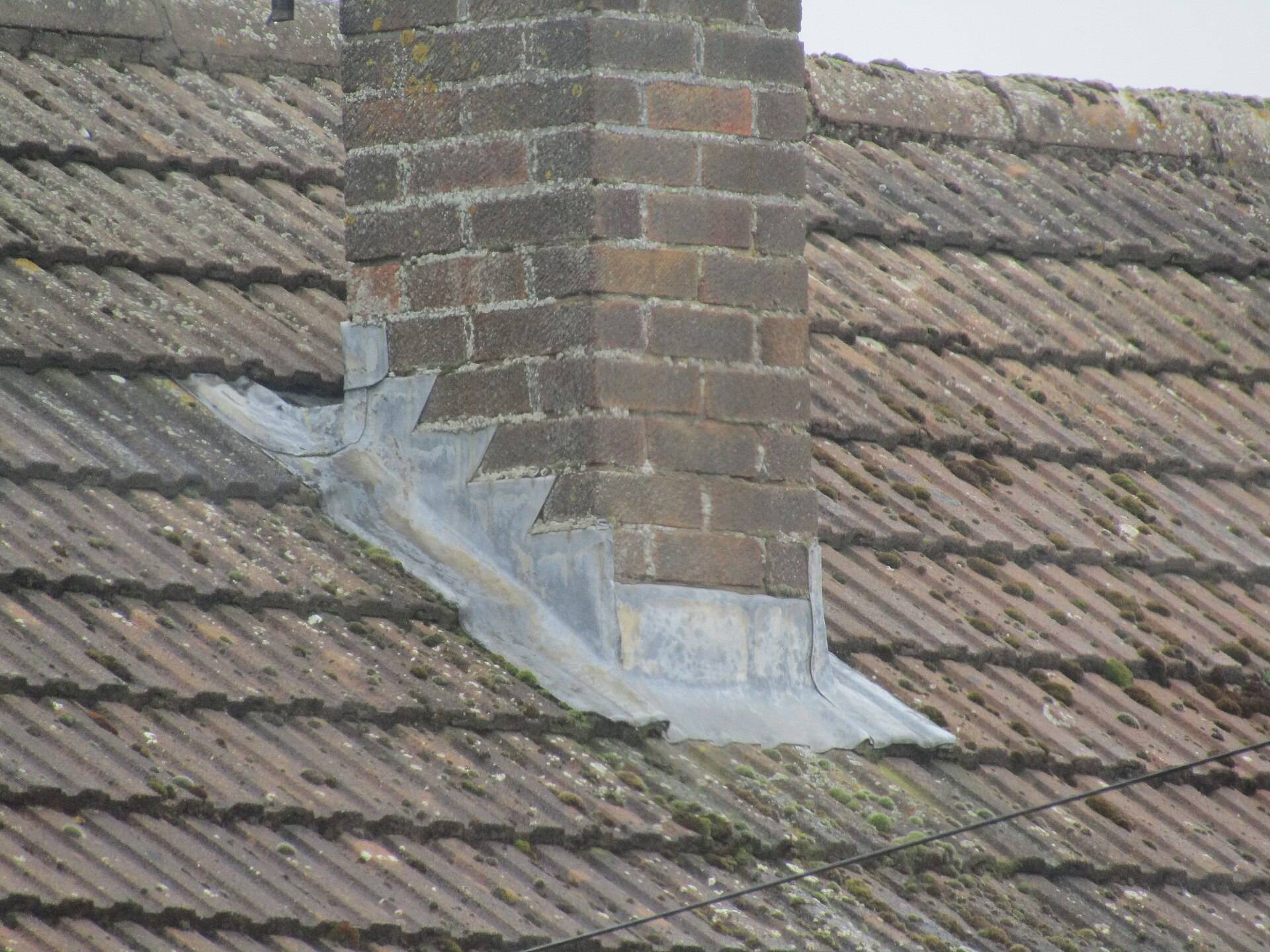
The chimney is the biggest interruption on most roofs, and its flashing is a small system of its own — step pieces up the sides, a pan at the back, and counter-flashing set into the mortar. Chimney flashing repair addresses the joint where La Puente ceiling stains most often begin.
A valley carries the rain of two slopes in one channel, so its metal works harder than any other flashing on the roof. Valley flashing repair renews a channel that has rusted, split, or been dammed by debris until water backed up under the surface.
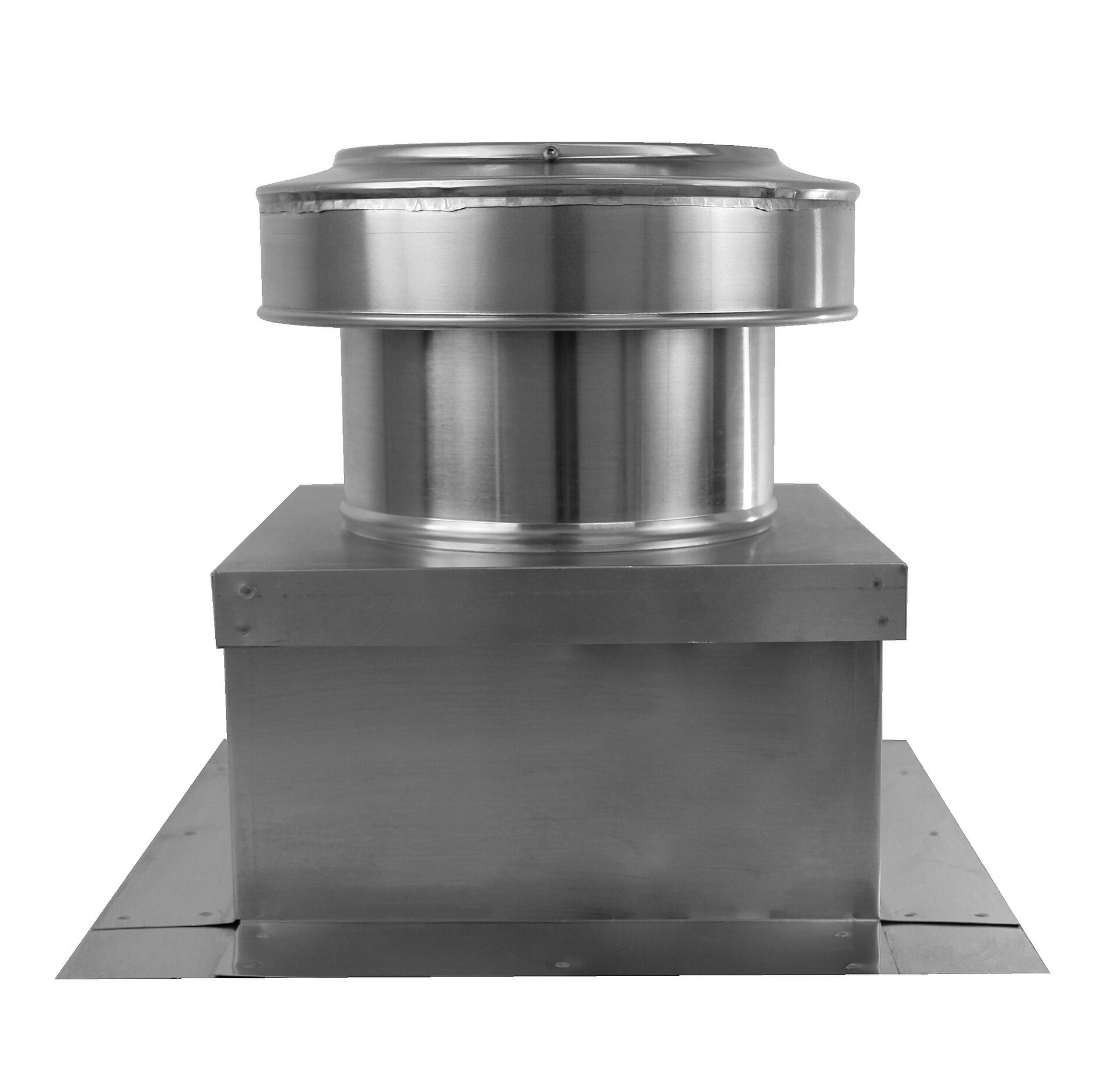
Every plumbing vent and exhaust pipe that pierces the roof depends on a small flashing boot, and those boots crack in the Valley sun sooner than almost anything else up there. Vent flashing repair replaces the failed boot and reseals the pipe joint properly.
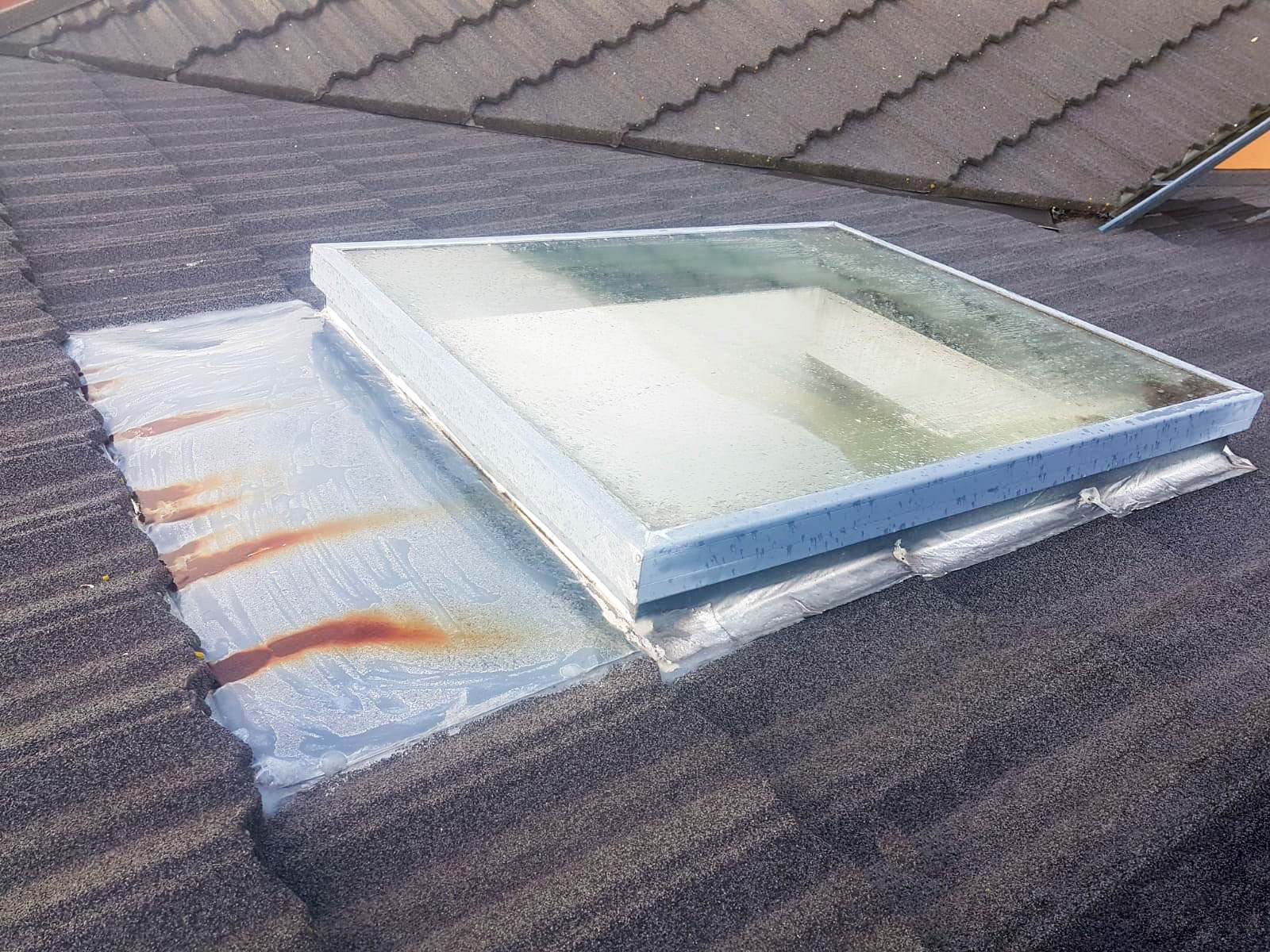
A skylight is a framed hole in the roof, sealed on all four sides by flashing that has to handle water running down, across, and — in wind-driven rain — upward. Skylight flashing repair renews that frame of metalwork when the seals age out, distinguishing a flashing failure from a tired skylight unit itself. On La Puente's many ranch-style homes, skylights added in later remodels are frequent callers.
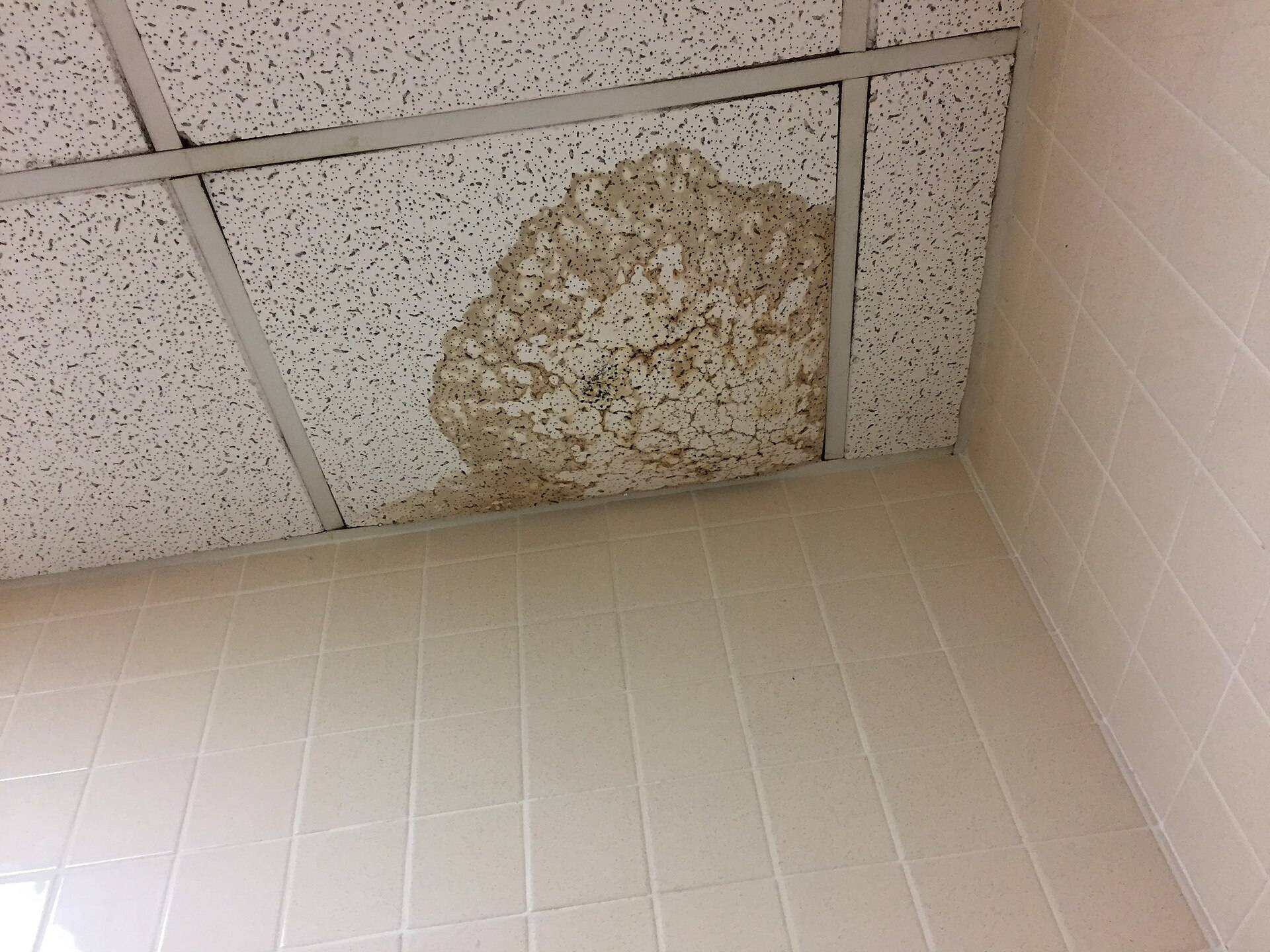
A stain on the ceiling marks where water arrived, not where it got in. Roof leak repair traces the water back uphill to its entry point — very often a flashing joint — and fixes the source rather than the symptom.
Flashing rarely fails all at once — it sends warnings first, usually after a hot summer or during the first hard rains of the season. If two or more of these sound familiar, it is worth talking through a roof flashing repair before the next storm arrives.
A stain below the chimney or skylight
The classic flashing signature. Water entering at a joint travels a short way and marks the ceiling near the feature it came through.
Leaks only when rain is wind-driven
A joint that sheds vertical rain all day can still admit water pushed sideways or uphill. Storm-only leaks point at laps, edges, and flashing.
Cracked sealant and dried-out boots
Sealant lines split open after summers of Valley heat, and the rubber collars on vent boots harden and crack the same way. Both are open doors.
Rust streaks at metal edges
Orange staining running down from a valley or a chimney edge means the metal itself is thinning. Rust at a joint never improves on its own.
Flashing lifted or pulled away
Metal standing off a wall or curling at a corner has lost its seal line. Every thermal cycle after that works the gap a little wider.
Patches on patches at one joint
A chimney or valley carrying layers of old sealant and patch material is telling you the underlying metal has already failed.
Any single sign can have a small cause, which is exactly why a proper look beats guessing from the ground. If water is actively coming in and the ceiling below a joint is dripping steadily, skip the deliberation, protect the room, and call (626) 530-1097 straight away. Otherwise, a conversation about what the joint needs — new metal, new seals, or just debris cleared from a valley — costs nothing but a phone call and leaves you with real information.
In-depth guide
Why flashing fails in La Puente — and how a proper repair answers
A roof in the San Gabriel Valley does its hardest work at its joints. The open slopes of a La Puente roof — shingle or tile over a ranch-style frame, most often — can shed rain for decades with modest attention. The joints live differently. They are where materials meet and move against each other, where water slows down and turns, and where the sun hits a thin line of sealant day after day. Understanding what your flashing is up against makes the repair choices in front of you much clearer.
Heat, movement, and the age of the housing stock
La Puente summers are long and hot, and a roof joint feels every degree of them. Metal expands in the midday heat and contracts at night; masonry, wood framing, and roofing each move at their own rate. A flashing joint is a negotiation between those movements, and over years the negotiation wears out the sealant and works fasteners loose. Add the age of the local housing — much of La Puente was built as ranch-style tract homes in the decades after the Second World War, with additions and remodels layered on since — and many joints in the city are being asked to seal surfaces that were never fitted together in the first place.
The sealant itself is the second casualty of the sun. The flexible compounds that finish a flashing detail harden and crack under years of ultraviolet exposure, opening a hairline exactly where water wants to go. Vent boots, with their rubber collars, age the same way. By the time a joint is fifteen or twenty years into Valley summers, its seals are often doing very little sealing at all — the metal shape alone is holding the rain out, and only while the rain falls politely downward.
Rainy-season water finds the opening
Then the season turns. From late autumn into early spring, Pacific storms cross the valley and rain arrives with wind behind it — driven sideways into wall joints, pushed up under laps, and poured down valleys in volumes the dry months never test. A joint opened by summer heat meets its examination in winter rain. That rhythm is why so many La Puente leaks announce themselves in the first big storm of the season, at a joint that looked perfectly fine in October.
Good to know
After the first heavy rain of the season, a slow look at ceilings below chimneys, skylights, and wall junctions tells you plenty: a faint fresh ring is the earliest version of a stain. Note the date and which room it is in — that short record genuinely helps your provider know where to look first.
How a proper flashing repair actually works
A good repair is a sequence, and each step exists because of a failure the trade has seen before:
Trace before touching: the indoor evidence — stain position, timing, weather pattern — is matched against the joints uphill of it, so the repair addresses the entry, not the symptom.
Strip the failed detail: old metal, dead sealant, and past patch material come out. New flashing laid over a failed detail inherits its problems.
Fit new metal to the joint: pieces are shaped for the chimney, valley, pipe, or wall in front of them, with the folds and hems that direct water outward.
Layer it with the roof: flashing is woven or lapped with shingles, tile, and underlayment in the order water flows, so each layer sheds onto the one below.
Seal and check the finish: sealant completes the detail rather than carrying it, and the finished joint is checked against the slope around it.
That sequence is what separates flashing that lasts from flashing that merely looks repaired until the next storm. The metal itself is only part of the story; the layering underneath decides how the joint behaves in its tenth rainy season, not its first photograph. For the joint that starts the most calls, the dedicated page on chimney flashing repair explains how step flashing, back pans, and counter-flashing work together around a stack.
What happens after the repair
Once the joint is renewed, your provider walks the finished work with you: what came out, what went in, and what state the neighboring joints are in. You should come away knowing which joints were repaired, what metal was used, and what simple upkeep protects them — mostly keeping valleys and the uphill side of chimneys clear of leaf litter, and having an aging seal line looked at if a stain ever reappears. After that, the joint's job is to disappear from your worries, and properly fitted flashing on a Valley home comes close to that.
Watch out
Be cautious of any figure given before the joint has been looked at and the roof around it assessed. Whether the fix is one vent boot or a full chimney detail — and what the decking under a long-leaking joint looks like — changes the real shape of the job, and a number offered sight unseen can move a long way once someone is actually on the roof. Your provider can discuss costs with you directly once the roof has been looked at properly.
How it works
How it works, from first call to finished joint
Four simple steps, and you stay in control of every decision that involves your home and your money.
1
Call and describe the problem
Call (626) 530-1097 and talk through what you have: where the stain or drip appears, which roof feature sits above it, and in what weather it performs.
2
We connect you with a local professional
Based on your situation and where in La Puente the home is, we match your request with an independent local roofing professional, and your provider arranges the visit.
3
Your provider traces and explains
Your provider examines the joints above the evidence, finds the entry point, and lays out the repair in plain language — what failed, why, and what renewing it involves.
4
You decide before any work begins
You choose whether and when to go ahead, and your provider carries out the repair you agreed on. No work begins on your roof until you have approved it with your provider.
To be clear about how this service works: La Puente Roof Flashing is a free referral service. We connect callers with independent local roofing professionals. When you call, we connect you with an independent local roofing professional — we do not repair roofs ourselves. The professionals callers are connected with inspect, advise, and carry out any repair you later decide to have done.
Why timing matters
Why a failed joint rarely improves with waiting
A flashing problem does not pause while you think about it. The sun keeps working at the seal line every day, and each rain that enters a joint wets the decking and framing beneath it. A hairline crack at a chimney joint becomes a channel; a vent boot that admitted a cupful in the first storm admits more once the felt beneath it has been soaked and dried a dozen times. The Valley calendar keeps those tests coming either way — heat all summer to open the joint, storms all winter to use it.
What grows quietly is everything under the surface. Decking that stays damp softens, which loosens the very fixings the flashing depends on. Water reaching the attic wets insulation and ceilings, and along a wall junction it can travel down inside the wall before it shows at all. A joint that might have been a measured, single-detail repair in October can become a repair plus decking plus a ceiling by February — the same entry point, on a worse timeline, with interior damage added.
None of that is a reason to rush into a decision today. It is a reason to get the information early, while the choice is still yours: have the joint traced and its condition explained, learn what renewing it would involve, and then decide on your own schedule. If the news is that the flashing is sound and the stain came from somewhere simpler, you have lost nothing but a phone call. If water is already coming in steadily, do not wait — see the roof leak repair page and call straight away.
Cost factors
What affects the cost of a roof flashing repair
There is no honest single figure for this work, because the job is shaped by which joint has failed and what the water has done on its way in. These are the factors that shape it — providers discuss costs directly with you after the roof has been looked at, when the scope is actually known.
Common cost factors
Factor
Why it matters
Which joint, and how much of it
A single vent boot and a full chimney detail with step flashing, back pan, and counter-flashing are very different amounts of metalwork.
Metal type and thickness
Galvanized steel, aluminum, and copper sit at different material costs and suit different details and roof surfaces.
Roof surface around the joint
Working flashing into shingles differs from working it into tile, and brittle older surfaces need more care to lift and relay.
Hidden water damage
Decking or framing wetted by a long-running leak may need repair along with the flashing, and the extent shows only once the detail is opened.
Roof pitch and access
Steep slopes, two-story sections, and tight side yards add staging and time to work that a single-story ranch roof does not.
Number of joints involved
Storm-pattern leaks sometimes trace to two or three tired joints rather than the one everyone assumed.
Because these factors combine differently on every home — a single-story ranch in Old Town and a two-story addition in La Puente Heights are different jobs in almost every row of that table — the reliable cost conversation is the one held after the tracing, with your roof's actual scope in front of you both. Ask your provider to walk through how each factor applies to your home.
Areas Covered
Neighborhoods covered across La Puente
Flashing wear is not spread evenly across the city — it follows the age and style of the housing, from the oldest streets near the center to the later tracts at the edges. Here is how it looks in the neighborhoods where callers most often ask to be connected with a local professional.
Old Town La Puente
The city's oldest streets hold its oldest roofs: smaller homes, some dating to the early decades of the last century, with chimneys, additions, and wall junctions accumulated over generations. Flashing here is often a patchwork of eras. Read more about roof flashing repair in Old Town La Puente, including what layered, many-era joints ask of a repair.
West Puente Valley
West Puente Valley's postwar tracts are ranch-style country: long, low rooflines, wide valleys, and vent boots by the row, all of them the same age and aging together. When one joint on the street fails, its neighbors are usually close behind. The page for roof flashing repair in West Puente Valley covers the patterns those tract roofs share.
North La Puente
Up toward the Puente Hills, North La Puente homes sit a little higher and catch a little more weather, with steeper lots and rooflines that shed storm water fast into their valleys. See roof flashing repair in North La Puente for how slope and runoff change the flashing picture on the city's north side.
East La Puente
East La Puente mixes established family streets with later additions and remodels — patio conversions, added bedrooms, skylights let into older roofs. Each addition is a new set of joints, and joints are where the calls come from. Read about roof flashing repair in East La Puente and the remodel junctions that need watching.
La Puente Heights
La Puente Heights, on the city's unincorporated east side, pairs older ranch homes with larger, later houses under wide valley skies. Roofs here take full sun on every slope, and sealant ages accordingly. The guide to roof flashing repair in La Puente Heights explains what full-sun exposure does to joints and seals.
Everywhere else in La Puente
Live outside these five neighborhoods? Roofs across the city share the same summer heat, the same rainy season, and the same generation of housing, from the streets off Hacienda Boulevard to the blocks near the city edges. If you are seeing the signs — rust at a valley, a stain below the chimney, a boot cracked open — the same call is the right first step. Head to the contact page or simply call (626) 530-1097 and describe what you are noticing.
Before you call
Before you call: a quick checklist
A minute of looking before you dial makes the first conversation far more useful. None of this is required — but each item helps your provider know what to look at first.
Where the water shows up: which room, which ceiling or wall — and which roof feature (chimney, skylight, wall, valley) sits above or uphill of it.
When it performs: every rain, only heavy rain, or only when the wind blows from a particular direction. The pattern is diagnostic.
What the joint looks like from the ground: rust streaks, lifted metal, cracked sealant, debris piled in a valley or behind a chimney.
The roof's rough age and surface: shingle or tile, and any past patching at that joint you know of, including dates if you have them.
Anything actively leaking: if water is coming in now, say so first — and note whether a bucket is under it and any ceiling looks bowed.
With those points in hand, you are ready — call (626) 530-1097, walk through them, and we can connect you with an independent local roofing professional who can take the next steps with you.
FAQ
Roof flashing questions, answered
The questions La Puente homeowners ask most when a roof starts leaking at its joints — answered plainly.
What is roof flashing, and why does it fail so often?
Flashing is the metalwork that seals the places where a roof changes direction or is pierced: around chimneys, along valleys, at vent pipes, beside skylights, and where a roof meets a wall. The roof surface itself sheds water well; the failures happen at those joints, because metal, shingles, and masonry all expand and contract at different rates in the San Gabriel Valley sun, and the seals at the joints age faster than the roof around them. When a joint opens even slightly, the rainy season finds it.
What are the first signs that flashing needs repair?
The common early signs are a ceiling stain below a chimney or skylight, rust streaks running down from a metal edge, flashing that has lifted or pulled away from a wall, cracked or missing sealant along a joint, and a leak that only appears when rain arrives with wind behind it. From the ground you may also spot a valley holding leaf litter or a metal strip sitting at an odd angle. Any one of those is worth a call while the opening is still small.
Can flashing be repaired without replacing the whole roof?
In most cases, yes. Flashing is a distinct part of the roof system, and a failed section can usually be removed and renewed on its own when the surrounding roof surface is still sound. That is one reason a proper look matters: a provider can tell you whether the problem is one chimney joint or a wider pattern, and the honest answer is often the smaller job. Only when the roof surface around the flashing has also reached the end of its life does the conversation widen.
Why do La Puente roofs develop flashing problems?
Two local pressures do most of the work. The first is heat: long, hot summers bake sealant brittle and cycle metal joints open and closed daily, and many La Puente homes are ranch-style houses from the middle of the last century whose flashing has been through decades of that cycle. The second is the rainy season, when storms arriving between November and March drive water into any joint the summer opened. Heat makes the gap; winter rain uses it.
What happens during a flashing repair visit?
The professional looks at the flashing in question and the roof around it, traces any indoor stain back to its likely entry point, and explains what has failed and why. The repair itself means removing the failed metal and sealant, fitting new flashing shaped for that joint, layering it correctly with the roof surface so water is directed out and over, and sealing the finished detail. You hear the plan before any work begins, and you decide whether to go ahead.
How long does new flashing last?
Properly fitted metal flashing is one of the longer-lived parts of a roof, and it should serve for many years when the metal suits the job and the layering is done correctly. Its real enemies are ponding debris, sealant used as a substitute for sound metalwork, and movement at joints that were never given room to expand. Your provider can explain what was fitted at your home and the simple upkeep that protects it.
Should I try sealing a flashing joint myself?
A smear of sealant over an open joint rarely holds in this climate, and it can hide the evidence a professional needs to find the true entry point. Sealant has a place inside a proper repair, as one layer of a sound detail, but as the whole repair it usually postpones the problem while water keeps entering around it. Ground-level checks and photographs are genuinely useful; the metalwork itself is best left to a visit.
What if the leak is coming through the ceiling right now?
Put a bucket under the drip, move anything that should not get wet, and call (626) 530-1097. Describe what is happening — where the water is appearing and whether it is steady or tied to the rain outside — and we can connect you with an independent local roofing professional. A steady drip under a chimney or skylight very often traces back to a flashing joint, which is exactly the work this service exists to connect callers with.
Can I get connected with help in my part of La Puente?
Yes — we connect callers with independent local roofing professionals across La Puente, including Old Town La Puente, West Puente Valley, North La Puente, East La Puente, and La Puente Heights, and the streets beyond those areas as well. Call (626) 530-1097, describe the roof and what you are seeing, and we can connect you with a local professional.
Joints first, guesses last
Leaking at a chimney, valley, or skylight? Start with a straight answer.
Rust at the valley, a stain that keeps rainy-season hours, a boot cracked open by the summer sun — those questions are easy to settle with a proper tracing and an honest conversation. Call now, describe the joint, and we will connect you with an independent local roofing professional.